


What Discovery measures

Being found, not just described
Discovery measures whether AI assistants surface your store when shoppers ask open-ended questions, before anyone has named you. It is the being-found half of visibility. How you are described once you appear is covered separately, under Reputation.
The questions Burnish tracks
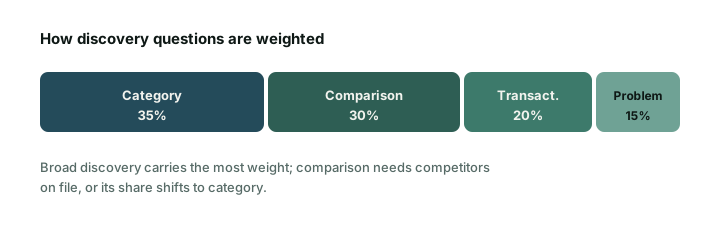
Shoppers ask different kinds of questions, so Burnish groups the prompts it tracks by intent, and weights them by how much they tend to matter to a sale:
- Category (35%). Broad discovery, like best supplements for daily energy.
- Comparison (30%). You against named competitors. This needs competitors on file, or its weight shifts to category.
- Transactional (20%). Purchase-ready questions, like where to buy or free shipping.
- Problem-solving (15%). Use-case questions, like what helps with dry skin.
How you place
For each question, Burnish checks whether the assistants name your store, and how prominently. When you are not named yet, it estimates how close you are from how well your catalog fits the question. Being named always beats being absent, so the fastest gains come from questions where you are nearly there.
Was this helpful?
Thanks for the feedback.